
Atlanta vs. Canton Foundation Problems: How Georgia Clay Soil Affects Your Home & Repair Solutions
When it comes to foundation repair in Georgia, the culprit is often right under your feet: the soil. Georgia’s expansive red clay soil—known for swelling up to 10% when wet and shrinking during dry spells—causes billions in damage nationwide, affecting about 1 in 4 homes in clay-rich areas like ours. In metro Atlanta and Canton, these soil shifts lead to cracks, settling, and costly repairs averaging $2,800 to $5,000 or more if ignored.
At Lifetime Basement Waterproofing, we’ve been the go-to experts for foundation repair and basement waterproofing in Atlanta, Canton, and surrounding areas since 1972. We’ve helped thousands of homeowners tackle soil-related issues tailored to their location—whether it’s urban compaction in Atlanta or hillside erosion in Canton. If you’re searching for “foundation repair Atlanta” or “foundation repair Canton,” this guide breaks down the differences in soil types, common warning signs, and customized solutions to protect your investment.
Understanding Georgia’s Expansive Clay Soil and Its Impact on Foundations
Georgia’s red clay soil, rich in iron and minerals, is a double-edged sword: great for agriculture but a nightmare for home foundations. This “expansive soil” absorbs water like a sponge during heavy rains (Atlanta averages over 50 inches annually), causing it to swell and push against your foundation. In droughts, it contracts, creating voids that lead to uneven settling.
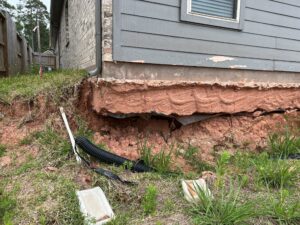
The result? Foundation problems that worsen over time, from minor cracks to major structural shifts. In fact, clay soils cause up to 80% of foundation issues in the Southeast, including heaving slabs, bowed walls, and water intrusion.
Atlanta vs. Canton: Key Soil Differences and Foundation Risks
Just 40 miles apart, Atlanta and Canton have distinct soil profiles due to geography, leading to unique challenges for homeowners.
Foundation Problems in Canton, GA: Hillside Erosion and Mixed Soils
Nestled in the North Georgia foothills, Canton’s soils blend hard red clay with silty layers and rocky sublayers, often on sloped lots. This mix amplifies drainage issues, especially in neighborhoods like Bridgemill, Great Sky, or Holly Springs.
Common risks include:
- Poor drainage causing water to pool and erode soil under foundations.
- Hydrostatic pressure from storms pushing against basement walls.
- Uneven settling on hillsides, leading to one-sided sinking.
Homeowners here often see vertical cracks in foundation walls or sloping floors within 5-10 years, with repair costs ranging from $935 to $9,000 depending on severity.
Foundation Problems in Atlanta, GA: Urban Compaction and Pure Clay
Atlanta’s dense urban landscape compacts the red clay even further, exacerbated by decades of development and poor grading. In historic areas like Grant Park, Virginia-Highland, Inman Park, or Druid Hills, older homes lack modern drainage, making them vulnerable.
Key risks:
- Heaving slabs after heavy rains, where expanded clay lifts parts of the foundation.
- Bowed basement walls from lateral soil pressure.
- Uneven settling from tree roots absorbing moisture, common in wooded neighborhoods.
Add Atlanta’s high humidity and flash floods, and issues like interior drywall cracks or sticking doors become widespread, with average repair costs around $2,800-$5,000.
Soil Challenges in Nearby Georgia Cities
These problems aren’t limited to Atlanta and Canton—nearby areas face similar issues:
- Kennesaw and Marietta: Rocky subsoils and elevation changes cause slab movement and cracks.
- Roswell and Woodstock: Flood-prone lots lead to soil saturation and hydrostatic pressure.
- Alpharetta and Ball Ground: Mixed clays on slopes result in erosion and settling.
No matter the city, Georgia’s clay-rich soils demand location-specific foundation repair to address the root cause.
7 Warning Signs Your Georgia Soil Is Damaging Your Foundation
Spot these early to avoid escalating costs—foundation issues can hike repair bills by 20-50% if delayed:
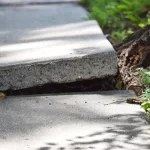
- Cracks in brick, stucco, or foundation walls (stair-step patterns indicate shifting clay).
- Doors or windows that stick, jam, or show gaps around frames.
- Uneven, sloping, or bouncy floors, signaling voids under slabs or crawlspaces.
- Gaps between baseboards, walls, ceilings, or trim.
- Water intrusion, mold, or dampness in basements/crawlspaces from poor drainage.
- Hairline or widening cracks in slabs or interior drywall.
- Bowing or bulging walls, especially in basements, from expansive pressure.
If you notice any, schedule a professional inspection—early fixes can save thousands.
Customized Foundation Repair Solutions for Georgia’s Tricky Soils
At Lifetime Basement Waterproofing, we start with a free soil and foundation assessment to pinpoint the cause. Our tailored approaches include:
- Steel push piers or helical piers to stabilize foundations by anchoring into deeper, stable soil layers.
- Wall anchors or carbon fiber straps to straighten and reinforce bowing walls.
- Drainage improvements like French drains, sump pumps, and yard grading to divert water.
- Crawlspace encapsulation with vapor barriers to control moisture and prevent rot.
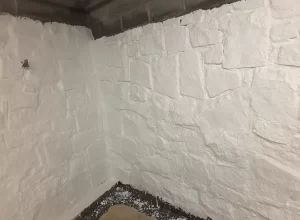
- Basement waterproofing systems to combat hydrostatic pressure and leaks.
All backed by our lifetime transferable warranty for peace of mind—because Georgia soil changes, but our repairs last.
Prevention Tips to Protect Your Foundation from Georgia Clay
Proactive steps can minimize risks:
- Maintain gutters and downspouts to direct water at least 5-10 feet from your home.
- Grade your yard to slope away from the foundation.
- Avoid planting large trees too close—roots can dry out soil unevenly.
- Monitor soil moisture; use soaker hoses during droughts to prevent extreme contraction.
- Schedule annual inspections, especially after heavy rains or dry spells.
Service Areas: Foundation Repair Across Metro Atlanta and North Georgia
We’re based in Atlanta and Canton but serve:
- Vinings, Dunwoody, Sandy Springs
- Kennesaw, Roswell, Marietta
- Woodstock, Ball Ground, Holly Springs
- Alpharetta, and along I-575 and I-285
Don’t Let Georgia Soil Ruin Your Home—Act Now
Foundation damage builds silently, but the fixes don’t have to be overwhelming. If you’re in Atlanta, Canton, or nearby and suspect soil-related issues, contact Lifetime Basement Waterproofing for a free inspection.
Call 770-607-3838 or contact us online today for a free estimate. We’ve protected Georgia homes since 1972—let us safeguard yours from the ground up.
Frequently Asked Questions About Foundation Repair in Georgia
Q: How much does foundation repair cost in Atlanta or Canton?
A: Minor fixes start around $900-$2,800, but extensive work can reach $5,000-$10,000, depending on soil conditions and damage severity.
Q: Why is red clay soil so problematic for foundations?
A: It expands with moisture and shrinks when dry, causing up to 80% of Georgia’s foundation issues like cracks and settling.
Q: Should I pair foundation repair with basement waterproofing?
A: Absolutely—water exacerbates clay soil problems, so combining them provides long-term protection against hydrostatic pressure and leaks.
Q: How long do foundation repairs last?
A: With professional installation and our lifetime warranty, repairs can outlast your homeownership.